What To Know About used industrial freezer Costs In 2026
- What Drives Freezer Pricing in 2026?
- Why Secondhand and Refurbished Units Appeal to Buyers
- Inspection, Compressor, and Cooling Checks
- Valuation, Procurement, and Sourcing Strategies
Used industrial freezers can be a practical option for businesses that need reliable cooling capacity without the cost of new equipment. In 2026, pricin...
Used industrial freezers can be a practical option for businesses that need reliable cooling capacity without the cost of new equipment. In 2026, pricing for secondhand and refurbished units depends on capacity, compressor condition, refrigerant type, and inspection history. Buyers often compare listings from industrial equipment marketplaces, auction houses, and specialized dealers. Understanding the main cost drivers can help procurement teams set realistic budgets and avoid unexpected shipping or maintenance expenses.
What Drives Freezer Pricing in 2026?
Pricing for a used industrial freezer is rarely a single number. Capacity, temperature range, door configuration, and refrigeration type all shape the asking price. A small reach-in unit may cost far less than a blast freezer or a large walk-in system. The equipment’s age, hours of use, and service records also matter. In 2026, buyers should expect quotes to vary by region, availability, and the seller’s urgency. A realistic budget should include not only the purchase price but also transport, installation, and any immediate repairs. Energy efficiency is another factor, because older units may use more electricity and require more maintenance.
Why Secondhand and Refurbished Units Appeal to Buyers
Secondhand and refurbished industrial freezers can offer a lower upfront cost than new models, especially when lead times for new equipment are long. Many buyers in food processing, pharmaceuticals, and cold storage look to the secondary market for dependable capacity. A refurbished unit may include a replaced compressor, new controls, or updated insulation. Still, the term refurbished can mean different things. Ask for documentation that shows what was repaired, tested, and certified before purchase. Buyers should also check whether the unit uses a refrigerant that is still widely available and compliant with local rules.
Inspection, Compressor, and Cooling Checks
An inspection should cover the compressor, evaporator, condenser, fans, controls, and door seals. For cooling performance, technicians may run the unit under load and check pull-down time, temperature stability, and refrigerant pressure. Maintenance records can reveal past leaks, overheating, or repeated repairs. If an inspection is not possible, the valuation should reflect that risk. A qualified refrigeration technician can often identify problems that photos and seller descriptions do not show. Remote video inspections are helpful, but they cannot replace a hands-on review for expensive equipment.
Valuation, Procurement, and Sourcing Strategies
Valuation starts with comparing similar models, ages, and conditions across multiple listings. Procurement teams should define required temperature ranges, electrical specifications, and floor space before contacting sellers. Sourcing from reputable dealers, auction platforms, and liquidation sales can widen options, but each channel has different buyer protections. It helps to request videos of the unit running, confirm available manuals, and verify whether parts are still supported. A clear sourcing checklist reduces the chance of buying equipment that does not fit the operation. For international purchases, currency exchange and import duties can also affect the final landed cost.
Logistics, Shipping, and Warranty Considerations
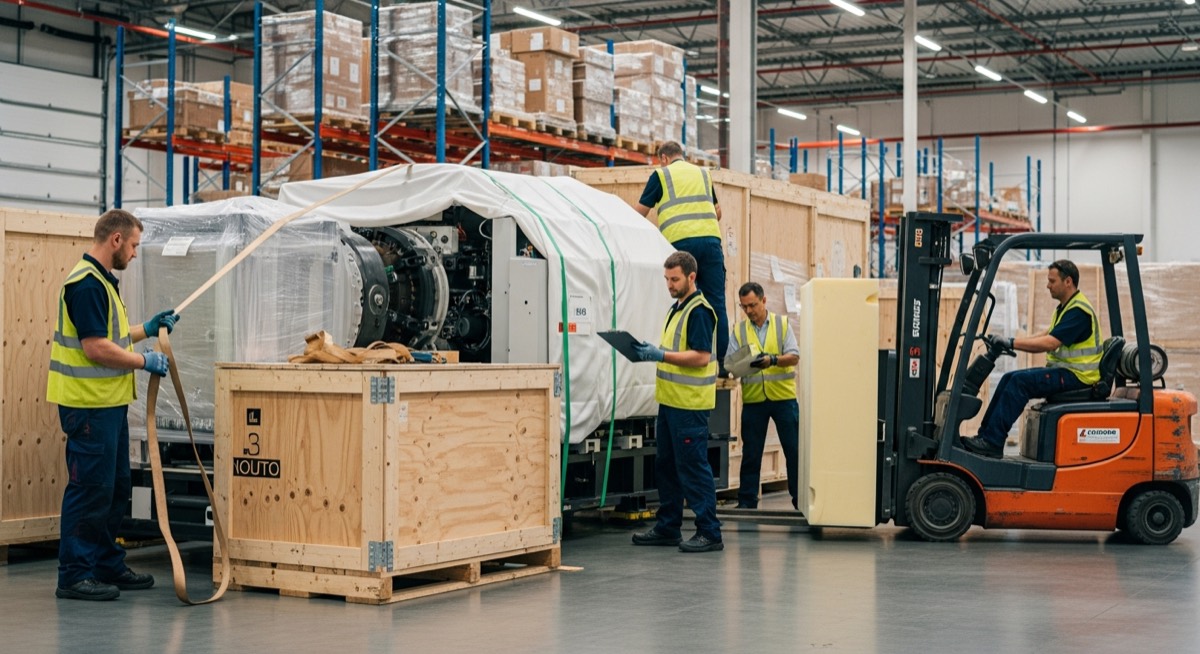
Logistics for industrial freezers is not like standard parcel shipping. These units are heavy, sensitive to tipping, and may require crating, forklifts, and temperature-controlled transport. Shipping costs can rise quickly based on distance, access, and whether the freezer needs disassembly. Warranty terms vary widely: some dealers offer a short parts warranty, while others sell as-is. Buyers should confirm who handles damage claims and whether startup support is included. Insurance and written delivery terms are important for high-value equipment. If the freezer must cross borders, customs paperwork and compliance checks can add time and cost.
Real-World Cost Insights and Comparison Table
Real-world pricing for used industrial freezers in 2026 depends on the specific unit, but broad ranges are useful for planning. A used reach-in commercial freezer might sell for a few hundred to a few thousand dollars, while walk-in and blast freezers can reach five figures. Refurbished units with a warranty usually cost more than as-is secondhand equipment. Table values are estimates only and can shift with market demand, refrigerant regulations, and local availability. Buyers should obtain multiple quotes and factor in inspection, shipping, and maintenance. The lowest purchase price is not always the lowest total cost.
Prices, rates, or cost estimates mentioned in this article are based on the latest available information but may change over time. Independent research is advised before making financial decisions.
Used industrial freezer costs in 2026 are shaped by condition, capacity, inspection quality, and logistics. A careful review of pricing, valuation, and warranty terms can help buyers avoid surprises. The secondary market offers options for many operations, but success depends on verifying the equipment and budgeting beyond the purchase price.
Please note: This guide is general information, not professional advice. Prices, eligibility rules and program details change, so confirm with the provider or a qualified professional before you act.